Stone pointing for Philadelphia row homes.

Cut-out, mortar repair, and repointing of failed joints in stone and brick façades on older Philadelphia properties. Color- and texture-matched to the existing wall so the repair reads as part of the house, not a patch. Family concrete contractor working the city since 1997.

What we offer

Row home stone pointing across Philadelphia.

Most Philadelphia row homes built before 1930 have stone or brick façades held together by lime-based mortar that fails after 50–100 years. The mortar joints crumble, water gets in behind the wall, freeze cycles do the rest. Stone pointing — cutting out the failed mortar and re-pointing with a fresh, matched mix — is the residential concrete contractor work that keeps these older homes weather-tight.

01

Full row home stone pointing

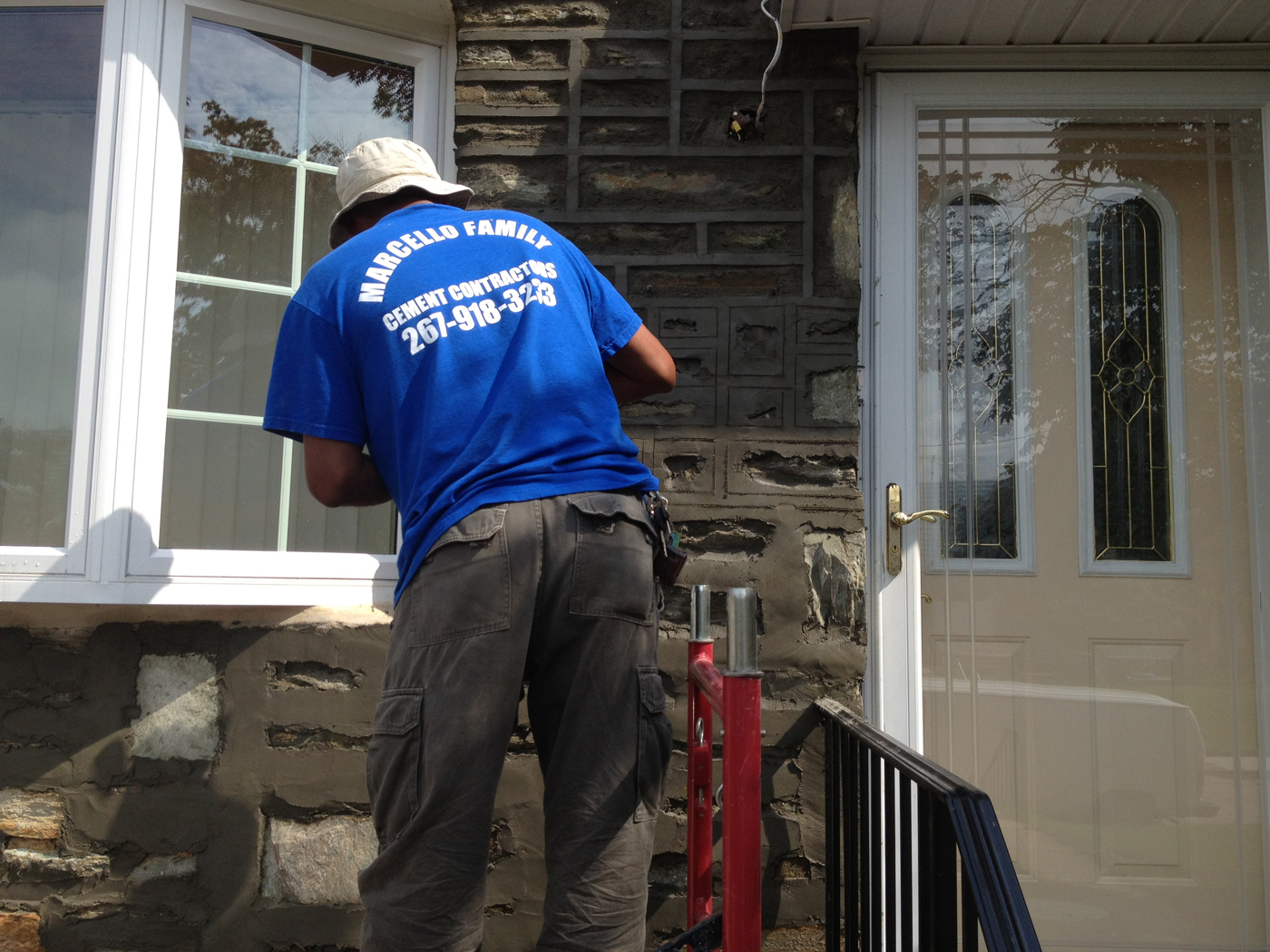
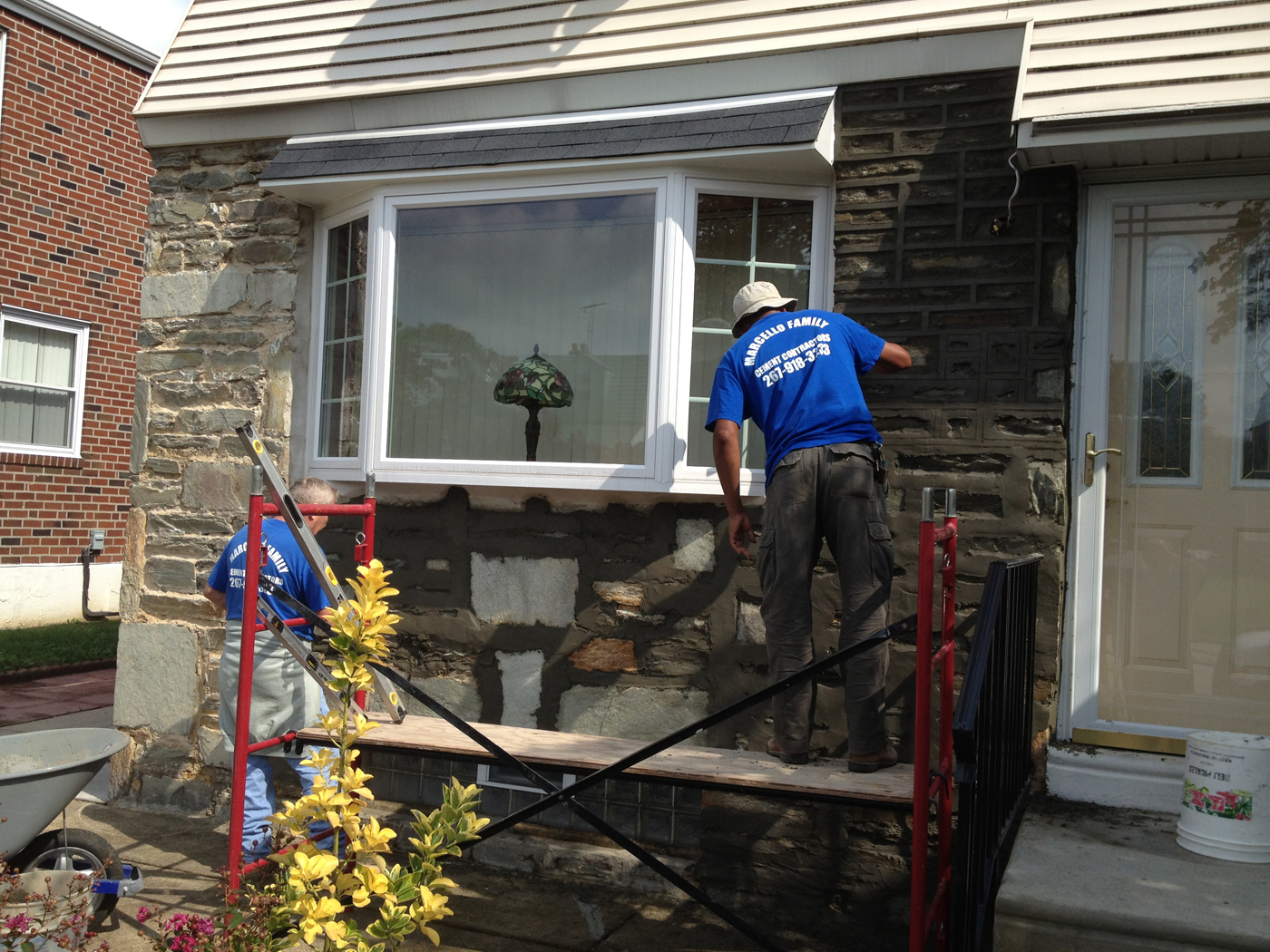
Whole-front façade pointing on a 1900s row home. Cut out every failed joint to proper depth, repoint with a color and texture-matched mortar mix, sponge clean. The visual result reads like the original wall, not a patch job.
02

Spot pointing & mortar repair

Failed sections only — the cracked joints around a window opening, the corner where water has tracked, the band course over the front door. Targeted mortar repair when full-façade pointing is overkill.

03

Brick & stone pointing

Both brick and stone façades. Different stones (Wissahickon schist, Pennsylvania bluestone, brownstone) need different mortar mixes. We assess on site and match what was originally on the wall.

04

Chimney pointing

Chimney joints take the worst of Philly weather — constant freeze cycles, no protection from rain. We point chimney joints from staging or boom lift, including crown work where needed.

05

Color & texture matching

Wrong-color mortar in a stone pointing job is more visible than the failed joint was. We mix to match the original mortar — lime ratio, sand color, joint profile (concave, raked, struck). Match the wall, not a generic recipe.

06

Pre-paint mortar prep

Painting an old façade? Failed mortar pulls paint off the wall in two seasons. We point first, cure properly, then turn it over to your painter so the new paint actually sticks.

Pointing details

Why most stone pointing fails in five years.

Stone pointing on a 100-year-old wall is not the same job as fresh masonry. The wrong mortar mix, the wrong joint depth, or modern Portland cement on a lime wall causes more damage than the failed joint ever did. We get four details right.

01

Cut to depth

Cut-out depth has to be at least 2× the joint width. Surface scrape isn’t pointing — it’s caulking. The new mortar bonds to clean stone, not to old failing mortar dust.

02

Mix to the wall

Old Philly walls were built with lime-rich mortars. Modern Portland cement is too rigid — it doesn’t breathe, traps moisture, and pops the stone face off. We mix for the wall’s actual age and material.

03

Match the joint profile

Concave, raked, struck, weathered — original joint profiles have shape and shadow. We tool the new joint to the profile that was originally there so the repair vanishes into the wall.

04

Cure slow

Lime-based mortars need slow, damp cure. We mist the joint over the first few days, especially in summer, so the mortar carbonates properly instead of flash-curing and crumbling.

Why Marcello

Stone pointing done like it’s 1910.

Old-Philly façade experience.

Pre-1930 row homes, brownstones, stone twins — we’ve pointed every common Philly façade material. We know which mortar mix matches Wissahickon schist vs. Pennsylvania bluestone vs. brick, and which one will fail.

Right mortar, not Portland.

Most cheap mortar repair on old Philly walls is straight Portland cement. It’s the wrong move — too rigid, traps water, blows the stone face. We mix lime-rich, breathable mortars matched to the original wall.

Color & texture matched.

A wrong-color repointing job announces itself from the sidewalk. We sample, mix to match the original, and tool the joint profile to the original. The repair reads as part of the wall.

Owner-done, owner-finished.

Marcello and his father are on most jobs themselves. The hands that diagnose the failure are the hands that fix it. Stone pointing is craft, not assembly-line work — we treat it that way.

Recent pointing

Recent stone pointing across the city.

Note: dedicated stone pointing photo set in the queue for the next photo intake. The façade shots below show row homes where pointing has been part of the work; we’ll swap in close-up joint detail shots once new photos are sourced.

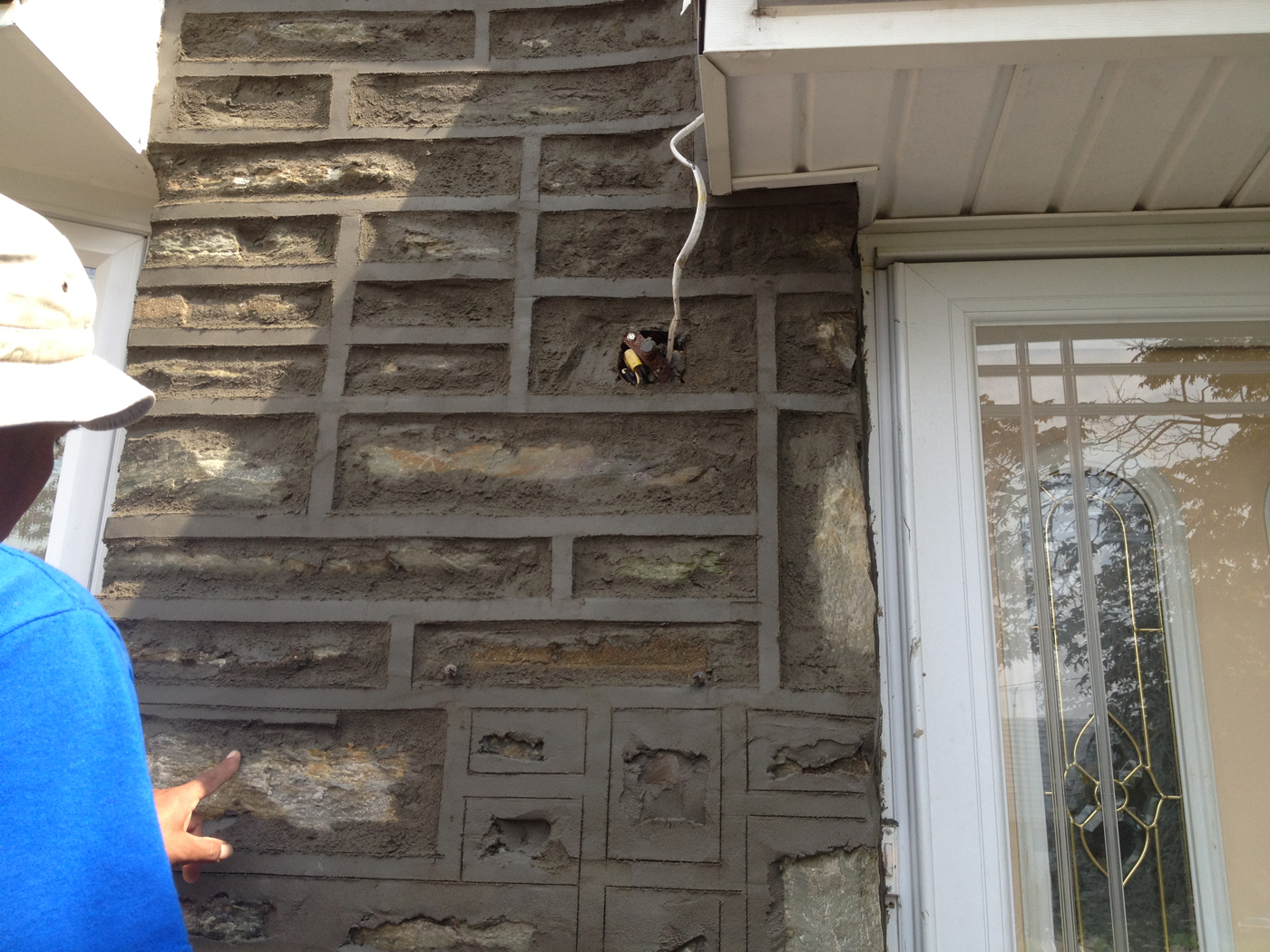
Stone wall before mortar joint repointing in Northeast Philadelphia

Stone wall · Northeast Philadelphia

Stone wall mid-repointing with packed mortar joints in Northeast Philadelphia

Mid-repointing · NE Philly

Tooled mortar joints on a Northeast Philadelphia stone wall

Joint detail · NE Philly

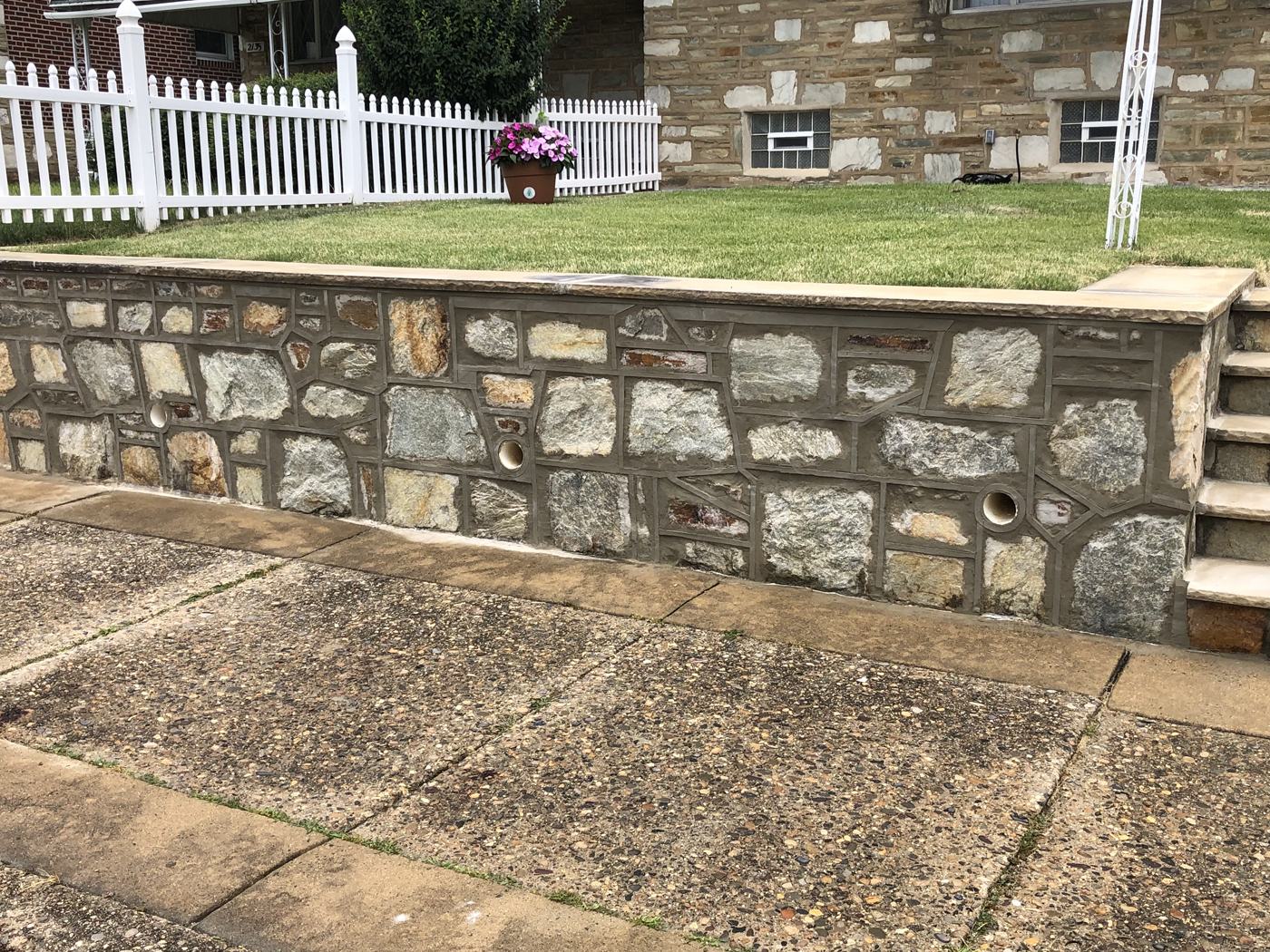
Stone retaining wall repointed in Philadelphia by Marcello Family Cement Work

Stone retaining wall · Philadelphia

What to expect

What happens when you hire us.

01

You call. We pick up.

No call center. No answering service. Most days it’s Marcello himself on the line. We’ll talk through the project and schedule a free walk-through.

02

We come out. Free walk-through.

We measure, talk through what you’re looking for, and walk the existing condition with you. You’ll get a written quote with a clear scope — no pushy sales.

03

Schedule confirmed. Materials lined up.

We confirm the start window with you, line up materials and equipment, and walk you through what to move (cars, hose reels, anything along the work line) before the crew arrives.

04

Cut-out, repoint, sponge, clean up.

Cut out failed joints to depth, repoint with matched mortar, tool the joint profile, sponge the wall clean, mist over the cure window. Spot pointing wraps in a day; full-façade row home stone pointing runs 3–5 days plus cure.

FAQ

Stone pointing questions, answered.

What is stone pointing, exactly?

Stone pointing (or repointing) is the process of cutting out failed mortar joints between stones or bricks and replacing them with fresh mortar. It’s mortar repair work for façades and walls — not the stones themselves. The mortar is what holds the wall together and keeps water out; when it fails, the joints get pointed.

How do I know if my row home needs pointing?

Visible signs: crumbling mortar joints you can scrape with a fingernail, missing mortar between stones or bricks, water staining on the wall after rain, efflorescence (white powder on the surface), spalled stone faces, paint failing on a stone or brick wall.

If you’re seeing any of those, your façade is past due for stone pointing. The longer you wait, the more expensive the repair.

Will the new mortar match the old?

Close, not perfectly identical. We sample the existing mortar, mix to match color and texture, and tool the joint to match the original profile. From sidewalk distance, the repair is usually invisible. Up close, you can sometimes see a fresh joint — it darkens to match over the first year.

If absolute color match matters more than cost, full-façade pointing gives the best result because the whole wall reads as one fresh job.

Can I use Portland cement for mortar repair on an old wall?

No — this is the most common DIY mistake on a Philly row home. Old walls (pre-1930) were built with lime-rich mortar that flexes with seasonal movement and breathes (lets moisture out). Modern Portland cement is too rigid; it traps water inside the wall and pops the stone face off in freeze cycles.

We mix lime-based mortars matched to the wall’s actual age. It’s the difference between mortar repair that lasts 80 years and one that destroys the wall in five.

How long does stone pointing take?

Spot pointing on a small section: 1 day. Full-façade row home stone pointing: 3–5 days, plus a cure window. Whole house (front, sides, rear): 1–2 weeks. We don’t rush the cut-out depth or the mortar mix — that’s where bad pointing fails.

How much does row home stone pointing cost?

Depends on façade size, scope (spot vs. full), access (ground-level vs. needing a lift), and how much cut-out depth the existing joints require. Old, deeply failed joints take longer to clean than recent surface failure.

Free on-site estimate, written quote with a single number. No square-foot pricing because mortar repair varies too much by wall condition for a flat rate to be honest.

Other services

Other masonry work we’re good at.

Stone wall repair in Philadelphia by Marcello Family Cement Work

Stone Wall Repairs

When the stones themselves shift or fall — not just the joints. Re-set, rebuild, repoint.

View Service
Chimney repair work in Philadelphia by Marcello Family Cement Work

Chimney Repairs

Chimney pointing, crown work, brick repair, full chimney rebuilds when needed.

View Service
Concrete patching and repair in Philadelphia by Marcello Family Cement Work

Concrete Patching & Repairs

Crack chasing, surface spalling repair, joint resealing on driveways, sidewalks, and slabs.

View Service
Concrete steps in Philadelphia by Marcello Family Cement Work

Concrete Steps

If the front-stoop steps need work too: bull-nose or flat-face replacement, code-compliant rise/run.

View Service

Philadelphia & the surrounding counties.

Center City · Mayfair · Holmesburg · South Philly · West Philly · Bucks · Montgomery · Delaware

View All Service Areas

From our neighbors

Real Philadelphia row homes. Real customers.

★★★★★
“I contracted with Marcello Family Concrete to replace my driveway, sidewalk, and steps from the driveway to the front door. The Marcello crew was AMAZING. They showed up on time, worked efficiently, and cleaned up as they went along. They’re true craftsmen who take tremendous pride in their work.”
Mike F.
★★★★★
“I had Marcello family Concrete come and do three of my pads out front. I could not be happier with the quality of work and the expertise of his workers. They were on time, did a great job, cleaned up everything when they were done. I would recommend this company to anybody.”
Donald S.

Need a stone pointing quote?

Free walk-through. Written quote with a clear scope. No call center, no sales script — Marcello will pick up the phone himself.